
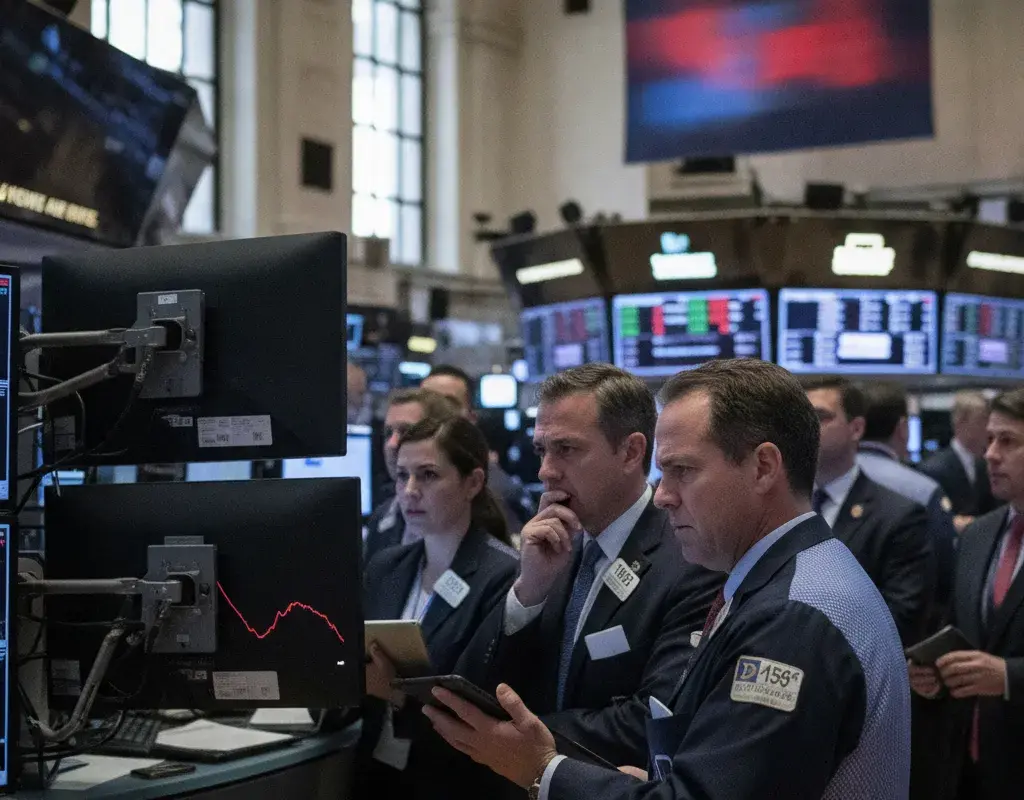
As Americans prepare to head to the polls on November 3, investors are beginning to worry that the upcoming midterm elections could derail the momentum of the current bull market. While the Dow, S&P 500, and Nasdaq have generally prospered under President Donald Trump’s leadership, the prospect of a shifting power dynamic in Washington is creating palpable anxiety on trading floors. Markets crave predictability above all else, and any result that deviates sharply from expectations could trigger volatility similar to recent shocks seen in international markets.
One primary concern involves the potential for legislative paralysis. Many analysts predict that Democrats may reclaim one or both houses of Congress, leaving President Trump to navigate a divided government starting in January 2027. Historically, this specific scenario has yielded lower average returns for the S&P 500 compared to other political alignments. Beyond simple percentages, a split Congress often leads to bruising battles over the debt ceiling. With the limit expected to be hit by early 2027, there are fears that partisan deadlock could lead to government shutdowns and economic instability.
Adding fuel to the fire is the staggering state of U.S. national debt, which recently climbed past $40 trillion. Critics argue that a fractured government will be incapable of meaningfully reducing federal deficits, which have hovered around $2 trillion annually for several years. This lack of fiscal discipline keeps long-duration Treasury yields at near twenty five year highs, making it more expensive for both the government and corporations to borrow money and service existing debts.
Finally, the tech sector faces its own set of risks regarding artificial intelligence. Much of the recent market surge has been driven by an AI boom facilitated by a light touch from regulators. However, a Democratic shift in Congress would likely bring calls for stricter oversight and tighter constraints on data center expansion. Even though the president retains veto power over such measures, simply increasing regulatory scrutiny on these high flying stocks during an already expensive market cycle could provide enough pressure to push equities toward a correction.